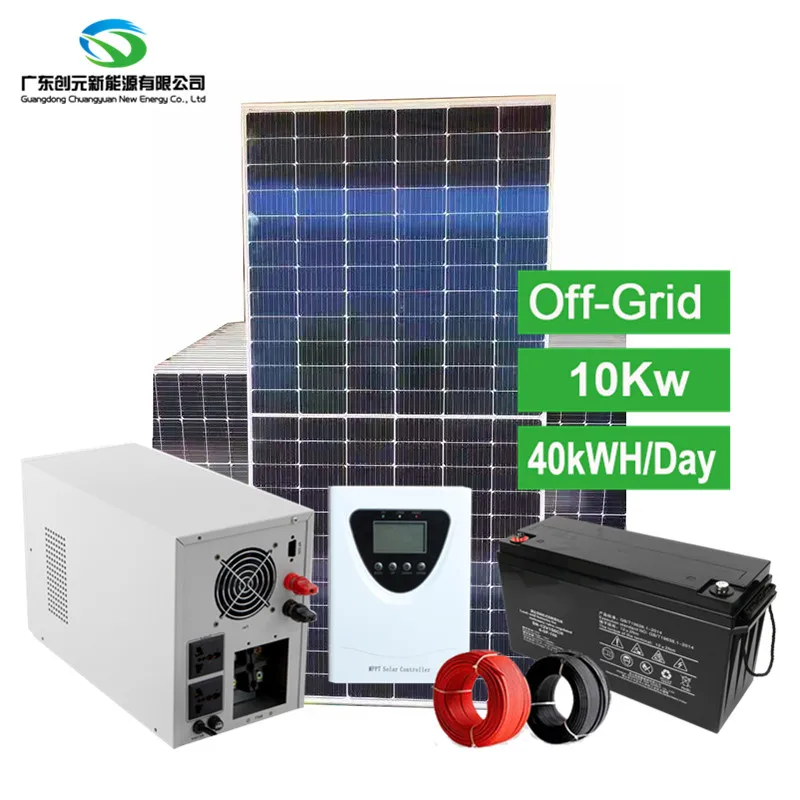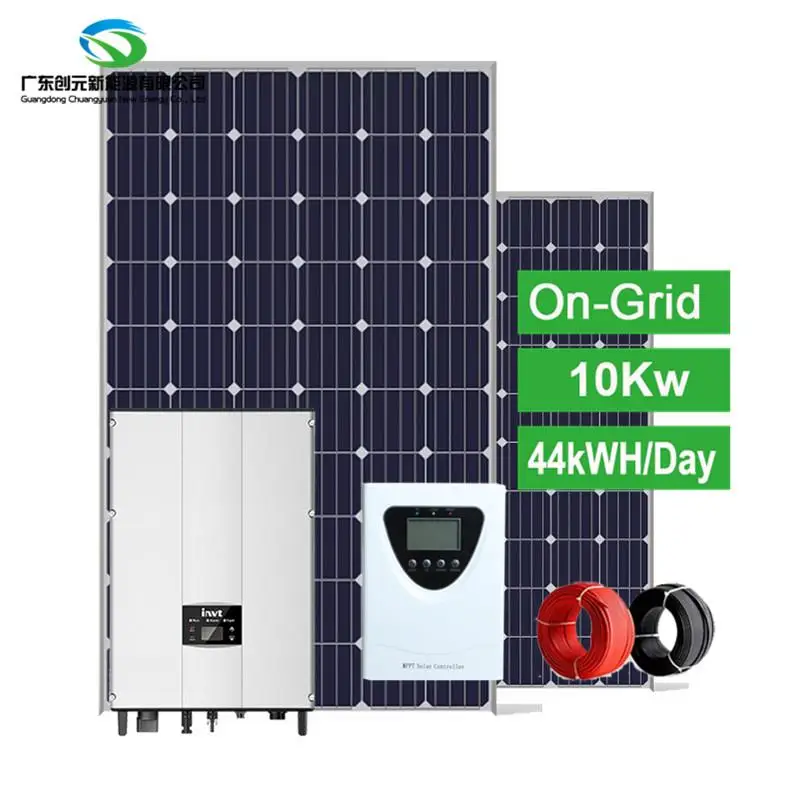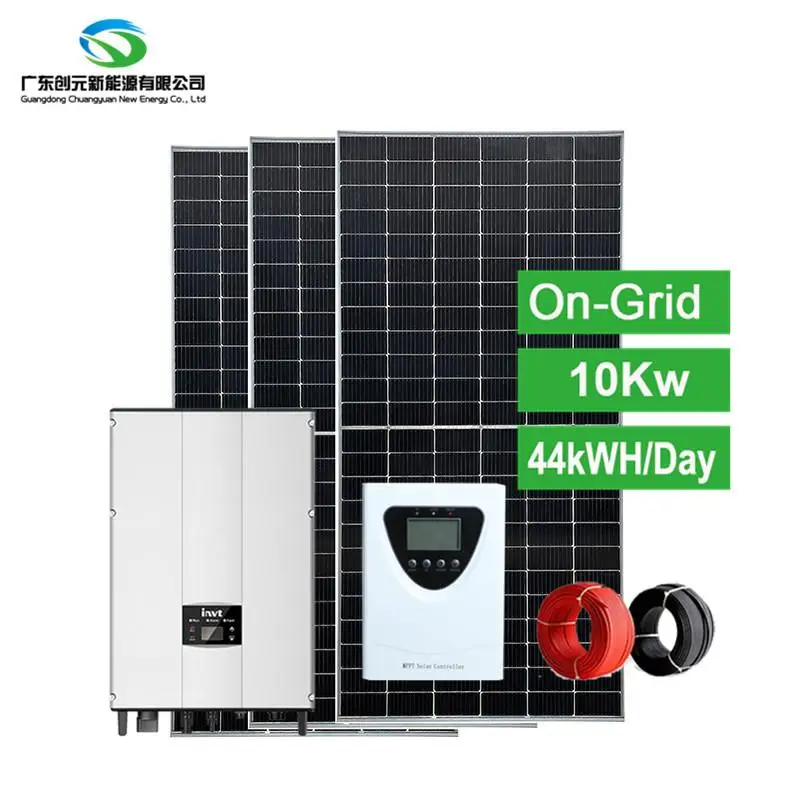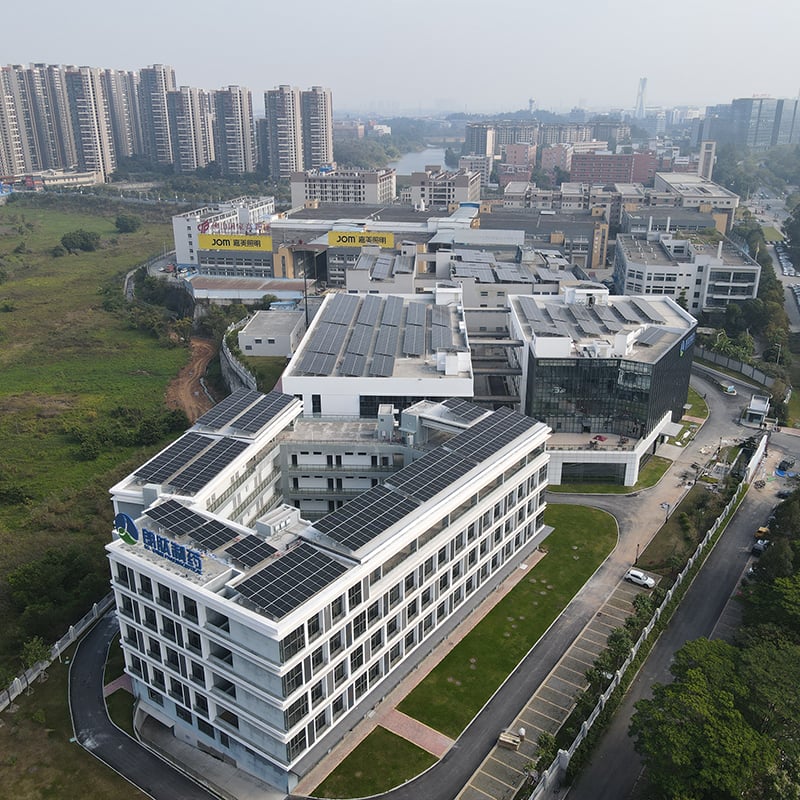
First, let’s talk about the rated power of a solar panel.
This is the maximum instantaneous power a panel can output under Standard Test Conditions (STC). The unit is usually Wp (Watt peak).
So, what are Standard Test Conditions?
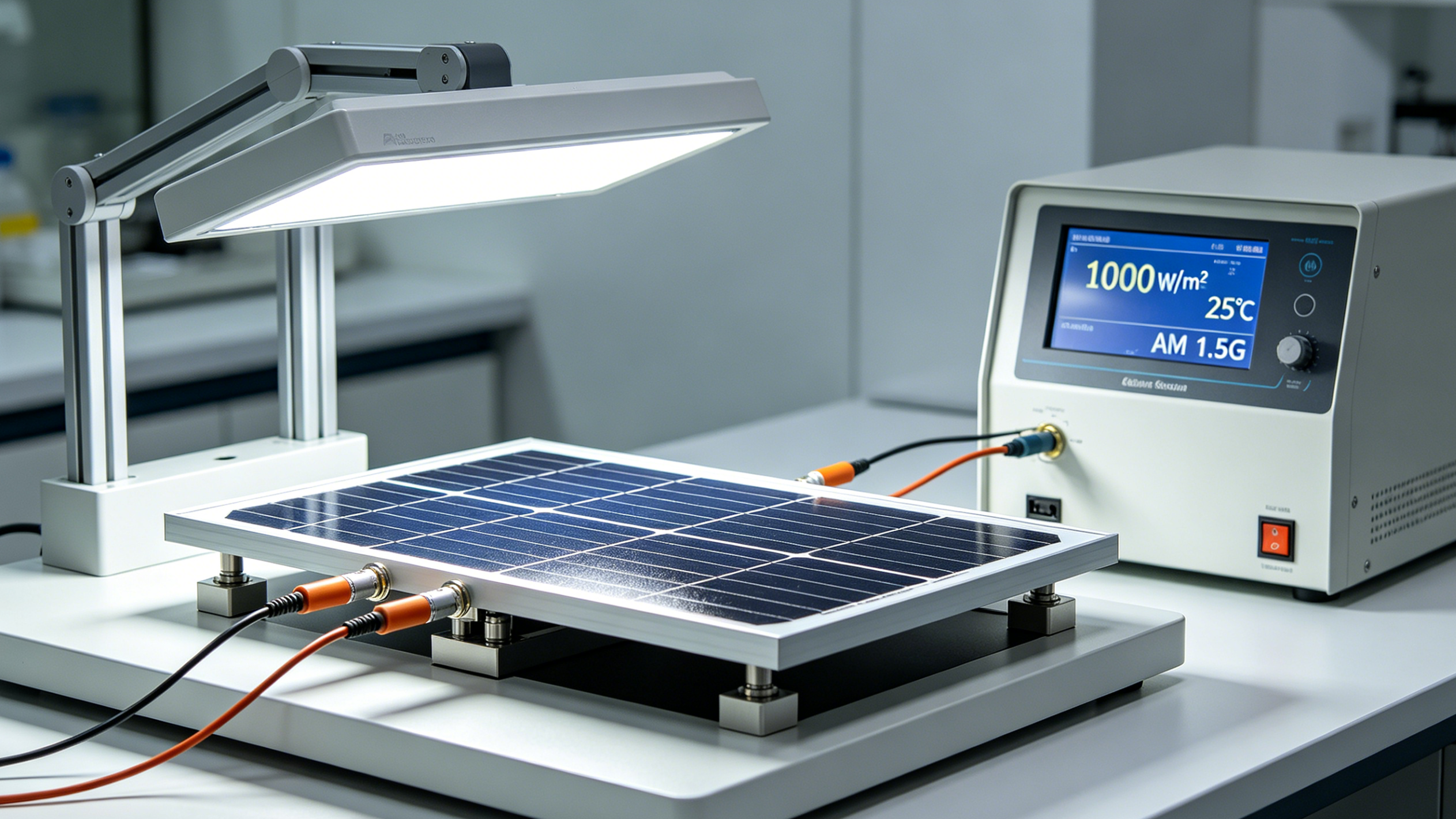
Standard Test Conditions (STC):
Light intensity: 1000 W/m² (simulating bright midday sunlight)
Cell temperature: 25°C (controlled precisely in a lab)
Spectral characteristics: AM 1.5G (standard global spectrum)
It is important to understand that the rated power is only a theoretical value under ideal lab conditions.
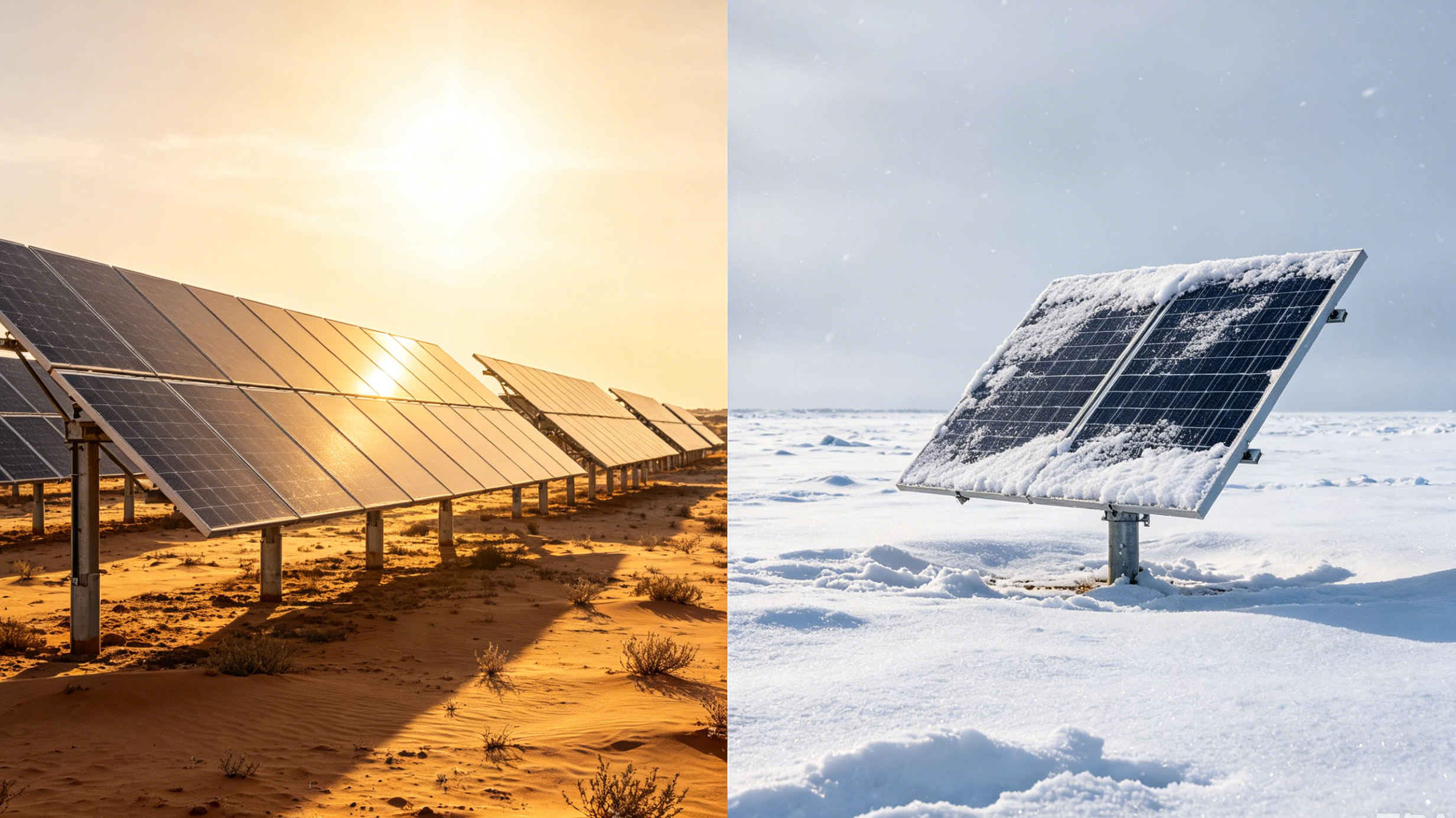
In reality, the daily electricity output of a solar panel depends heavily on location, season, and weather. That is why we often use the average annual peak sun hours of a region to estimate daily generation.
Take a 625 Wp solar panel:
In Panyu, Guangzhou (China) – average daily peak sun hours: 3.28 hours
Daily output = kWh (about 2.05 units of electricity)
*In summer/autumn, it can reach 4–5 hours (2.5–3.125 kWh), while in rainy or winter seasons it drops to 1–2 hours.*
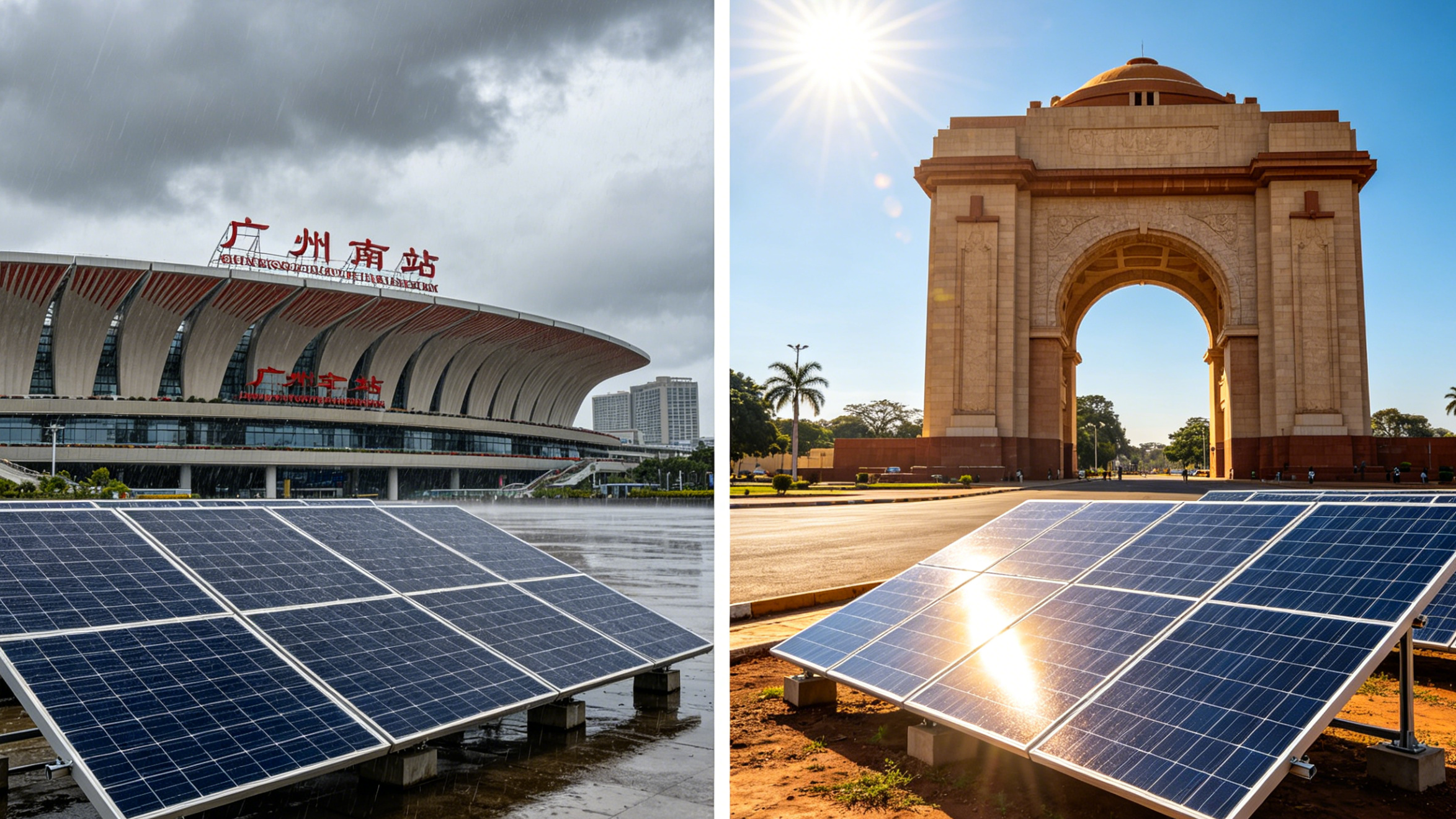
In Ghana (Africa) – average daily peak sun hours: 5.36 hours
Daily output = kWh
That is 58.5% more than in Guangzhou Panyu. Moreover, Ghana has fairly consistent weather year-round.
Now you can estimate the theoretical daily output of one solar panel in your own area using your local average peak sun hours!
In actual solar power plant engineering, the real generation also depends on product quality, system design, and overall system efficiency.
 Hot News
2026-04-20
2024-12-16
2024-04-25
2024-04-25
2024-04-25
Copyright © 2024 by Guangdong Tronyan New Energy Co. Ltd. Privacy policy
 EN
EN